The fear of losing one's mental faculties is consistently ranked among the top health concerns for aging adults. According to a recent AARP survey, 93% of Americans consider maintaining brain health extremely or very important — ranking it above physical health, financial security, and other concerns.
The good news? Decades of research have identified several strategies that can meaningfully reduce the risk of cognitive decline. While no intervention guarantees protection, the cumulative evidence points to specific actions that make a real difference.
We consulted with leading neurologists and aging researchers to identify the five strategies with the strongest scientific support. Here's what they recommend — and why.
The Five Strategies at a Glance
- Physical exercise — particularly aerobic and resistance training
- Cardiovascular health management
- Social and intellectual engagement
- Quality sleep and stress management
- Fine motor skill activities
Physical Exercise: The Foundation
If there's one intervention that neurologists consistently recommend above all others, it's regular physical exercise. The evidence is overwhelming and continues to strengthen with each new study.

A 2020 meta-analysis in JAMA Neurology examined 19 longitudinal studies involving over 400,000 participants. The findings were striking: regular physical activity was associated with a 35% reduction in cognitive decline and a 38% reduction in dementia risk.
The mechanisms are multiple and well-understood:
- Increased BDNF: Exercise stimulates production of brain-derived neurotrophic factor, which supports the growth and survival of neurons
- Improved cerebral blood flow: Better circulation delivers more oxygen and nutrients to brain tissue
- Reduced inflammation: Regular exercise lowers systemic inflammation, which is linked to neurodegeneration
- Neurogenesis: Exercise stimulates the creation of new neurons, particularly in the hippocampus
"If exercise were a pill, it would be the most prescribed medication in the world. No pharmaceutical intervention comes close to matching its benefits for brain health."
— Dr. Kirk Erickson, University of Pittsburgh
The recommendation: Aim for at least 150 minutes of moderate aerobic activity weekly, plus two sessions of resistance training. Activities that combine physical and cognitive demands — like dancing, martial arts, or racquet sports — may offer additional benefits.
Cardiovascular Health: What's Good for the Heart is Good for the Brain
The connection between cardiovascular health and brain health has become increasingly clear. Conditions like hypertension, diabetes, and high cholesterol don't just damage the heart and blood vessels — they directly impact brain function and increase dementia risk.

A comprehensive study published in The Lancet found that managing seven key cardiovascular risk factors could prevent up to 40% of dementia cases worldwide. These factors include:
- High blood pressure (especially in midlife)
- Diabetes or high blood sugar
- Obesity
- Physical inactivity
- Smoking
- Excessive alcohol consumption
- High cholesterol
The Midlife Window
Research suggests that cardiovascular health in midlife (ages 40-65) is particularly important for later cognitive outcomes. Interventions during this period may have outsized benefits compared to the same interventions later in life.
The recommendation: Know your numbers — blood pressure, blood sugar, cholesterol — and work with your healthcare provider to keep them in healthy ranges. Don't wait until problems develop to take action.
Social and Intellectual Engagement: Use It or Lose It
The brain, like any organ, responds to how it's used. Decades of research support the concept of "cognitive reserve" — the idea that mentally stimulating activities build resilience against age-related decline.

The Rush Memory and Aging Project, one of the longest-running studies of cognitive aging, has produced compelling evidence. Participants with higher levels of cognitive activity showed slower rates of memory decline, even when accounting for factors like education and income.
Social engagement appears equally important. Loneliness and social isolation are now recognized as significant risk factors for cognitive decline, comparable in magnitude to more traditional risk factors.
Effective activities include:
- Learning new skills (languages, instruments, crafts)
- Pursuing education at any age
- Maintaining and building social relationships
- Engaging in meaningful volunteer work
- Playing strategic games (though not passive brain training apps)
- Reading and discussing complex material
"The brain is remarkably plastic throughout life. People who continue to challenge themselves intellectually and maintain rich social lives show measurably better cognitive trajectories."
— Dr. Patricia Boyle, Rush Alzheimer's Disease Center
Sleep and Stress: The Underrated Factors
Sleep science has revealed just how critical rest is for brain health. During sleep, the brain's glymphatic system clears metabolic waste products, including beta-amyloid — the protein that accumulates in Alzheimer's disease.

A landmark study in Nature Communications found that consistently sleeping less than six hours per night in midlife was associated with a 30% higher risk of developing dementia. Both quantity and quality matter — disrupted sleep appears almost as harmful as insufficient sleep.
Chronic stress poses similar risks. Elevated cortisol levels damage the hippocampus and impair memory formation. The FINGER trial, one of the most comprehensive intervention studies for cognitive decline, included stress management as one of its core components.
Key recommendations:
- Prioritize 7-8 hours of sleep — this is non-negotiable for optimal brain function
- Address sleep disorders — conditions like sleep apnea significantly increase dementia risk when untreated
- Develop stress management practices — meditation, yoga, deep breathing, or whatever works for you
- Maintain consistent sleep schedules — irregular sleep patterns are independently harmful
Fine Motor Activities: The Emerging Evidence
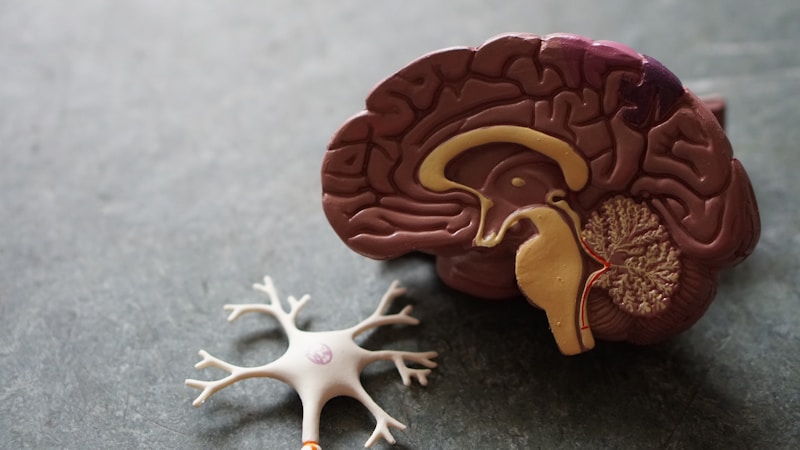
An increasingly robust body of research points to the importance of activities requiring fine motor control. The hands occupy a disproportionately large area of the motor cortex, and keeping this system active appears to have broader cognitive benefits.
A 2024 study in the Journal of Neurology followed over 2,800 adults for ten years and found that those who regularly engaged in fine motor activities showed 34% less cognitive decline than their peers. Japanese research on centenarians noted that those who maintained hobbies requiring hand dexterity — calligraphy, origami, craftwork — showed remarkably preserved cognitive function.
The mechanism likely involves the extensive neural connections between the motor cortex and areas responsible for memory, attention, and executive function. Complex hand movements require coordination across multiple brain regions.
Activities that appear beneficial include:
- Playing musical instruments
- Knitting, crocheting, or needlework
- Woodworking or other crafts
- Gardening
- Resistance-based hand exercises
- Writing by hand
Progressive Resistance
Research suggests that activities providing resistance and requiring adaptation — like using hand exercise devices with progressive resistance — may offer enhanced benefits by recruiting more motor units and increasing neural activation.
Putting It Together: An Integrated Approach
While each strategy offers benefits independently, the greatest protection likely comes from combining multiple approaches. The FINGER trial, which combined physical exercise, cognitive training, social activities, and cardiovascular management, demonstrated that a multi-domain intervention was more effective than any single component.
The key principles to remember:
- Start now: These interventions work best when begun early, ideally in midlife
- Consistency matters: Regular, moderate engagement beats occasional intense efforts
- No magic bullets: Beware of products claiming dramatic cognitive benefits — the evidence supports lifestyle factors, not supplements or apps
- Individual variation: What works best may differ from person to person — find sustainable activities you enjoy
The brain's remarkable plasticity means it's never too late to benefit from these strategies. Whether you're 40 or 80, the evidence suggests that adopting brain-healthy behaviors can make a meaningful difference in how you age cognitively.