
Dr. Elena Rodriguez has been practicing neurology for 25 years, and she's noticed something consistent among her patients who age well cognitively: they tend to keep their hands busy.
"Whether it's playing piano, knitting, gardening, or woodworking — my sharpest older patients almost always have hobbies that involve complex hand movements," she observes. "For a long time, I thought this was just correlation. Now we have evidence it may be causal."
That evidence has led a growing number of neurologists to recommend specific morning routines focused on fine motor activities. The reasoning is grounded in neuroscience: the hands occupy an outsized portion of the motor cortex, and keeping this system active appears to have cascading benefits throughout the brain.
The Neurological Basis

If you've ever seen a diagram of the "cortical homunculus" — the distorted human figure that represents how much brain space is dedicated to different body parts — you know that the hands are massively overrepresented. This isn't an accident of evolution; it reflects the incredible complexity and importance of manual dexterity.
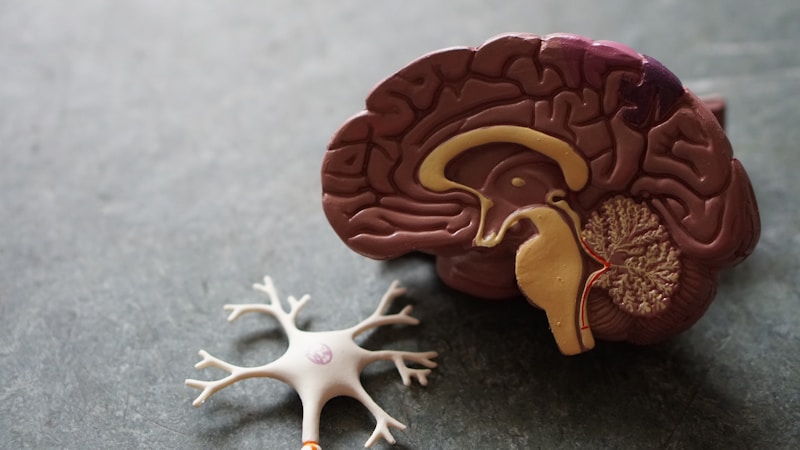
When you engage in fine motor tasks, you activate not just the motor cortex but a wide network of brain regions:
- Premotor cortex: Plans and coordinates movements
- Supplementary motor area: Sequences complex movements
- Cerebellum: Fine-tunes motor control and timing
- Basal ganglia: Helps initiate and control movement
- Parietal cortex: Processes sensory feedback
- Prefrontal cortex: Engaged during learning new motor skills
This widespread activation is what makes fine motor activities so valuable for brain health. Unlike activities that engage only limited brain regions, working with your hands creates whole-brain engagement.
"Every time you challenge your hands with a complex task, you're giving multiple brain systems a workout simultaneously. It's remarkably efficient cognitive exercise."
— Dr. Michael Merzenich, UCSF
The Research Evidence
Several key studies have established the connection between fine motor activities and cognitive health:
The Rotterdam Study: Found that individuals who maintained hand dexterity showed slower rates of cognitive decline over a 10-year period, independent of other lifestyle factors.
Japanese Centenarian Research: Documented that cognitively intact centenarians were significantly more likely to have maintained hobbies requiring fine motor skills (calligraphy, origami, crafts) compared to those with cognitive impairment.
The FINGER-Extended Trial: Demonstrated that adding fine motor exercises to standard cognitive training improved outcomes by 23% compared to cognitive training alone.
Key Finding
A 2024 meta-analysis found that just 10-15 minutes of focused hand exercises daily was associated with measurable improvements in memory and processing speed within 8 weeks.
The Recommended Morning Routine
Based on the research and clinical experience, neurologists have developed a simple morning routine that can be done in about 10 minutes. The key is consistency — doing it daily appears far more beneficial than longer but sporadic sessions.
The 10-Minute Brain-Boosting Hand Routine
Enhancing the Routine
While the basic routine provides a foundation, certain modifications can amplify the benefits:
Add Resistance
Research suggests that activities providing progressive resistance recruit more motor units and increase neural activation. Using hand grippers, therapy putty, or specialized resistance devices appears more effective than bodyweight exercises alone.

Incorporate Novelty
The brain responds especially well to new challenges. Rotating exercises or gradually increasing difficulty keeps the neural networks engaged and stimulates neuroplasticity.
Engage Both Hands
Activities that require coordination between both hands activate additional brain circuits involved in interhemispheric communication. Exercises done with both hands simultaneously appear more beneficial than single-hand activities.
Exercises to Try
Coin Manipulation
Roll a coin across your knuckles or transfer coins between fingers. Surprisingly challenging and excellent for dexterity.
Resistance Gripping
Use a hand gripper or stress ball with varying resistance levels. Aim for 15-20 reps per hand.
Finger Opposition
Touch each finger to your thumb in sequence, forward and backward. Do both hands simultaneously.
Hand Writing
Write with your non-dominant hand for 2-3 minutes. The struggle engages attention and motor learning circuits.
Beyond the Morning: Daily Hand Habits
While a dedicated morning routine is valuable, neurologists also recommend integrating hand-intensive activities throughout the day:
- Cook from scratch: Chopping, stirring, and handling ingredients engage fine motor skills
- Garden regularly: Working with soil and plants provides tactile stimulation and motor challenges
- Take up a craft: Knitting, woodworking, or model building provide ongoing motor engagement
- Learn an instrument: Musical instruments demand complex, coordinated hand movements
- Write by hand: Take notes or journal using pen and paper rather than keyboard
"The most effective approach combines a dedicated morning routine with hand-engaging activities woven throughout the day. It becomes a lifestyle, not just an exercise program."
— Dr. Elena Rodriguez
Who Benefits Most?
While everyone can benefit from maintaining hand fitness, certain groups may see particular advantages:
Adults over 50: This is when age-related motor decline typically begins, making early intervention particularly valuable.
Sedentary office workers: Keyboard and mouse use doesn't provide the same neural engagement as complex manual tasks.
Those with family history of dementia: Research suggests hand exercises may help build cognitive reserve that provides some protection.
People recovering from illness: Hand exercises can help restore motor function and neural pathways after health setbacks.

Getting Started
The beauty of a hand-focused routine is its accessibility. You don't need expensive equipment, a gym membership, or significant time. A simple approach to begin:
- Week 1: Start with just 5 minutes of finger stretches and basic movements
- Week 2: Add 5 minutes of resistance exercises with a stress ball
- Week 3: Incorporate coordination challenges like opposite-hand movements
- Week 4: Establish your full 10-minute routine and make it non-negotiable
The key is consistency. Research consistently shows that regular, moderate engagement produces better results than occasional intensive sessions. Ten minutes every morning beats an hour once a week.
Track Your Progress
Consider noting grip strength, dexterity, or how long you can maintain complex finger movements. Improvement in these metrics often correlates with broader cognitive benefits.
The Bigger Picture
A morning hand routine shouldn't replace other brain-healthy behaviors — exercise, sleep, social engagement, and cardiovascular health management remain crucial. But it can be a valuable addition to a comprehensive approach to cognitive health.
As Dr. Rodriguez puts it: "We tell patients to exercise their bodies and challenge their minds. What we're now understanding is that exercising your hands may be one of the most effective ways to do both at once."
The hands that built civilizations, created art, and enabled human progress may also hold a key to preserving the minds that guide them. In the quest to maintain cognitive function, sometimes the simplest interventions turn out to be the most powerful.


