When Dr. James Peterson began measuring his patients' grip strength five years ago, colleagues at his Boston practice thought it was an unusual addition to routine checkups. Today, grip dynamometry is becoming a standard assessment tool in geriatric medicine, and the research backing this practice is overwhelming.
"Grip strength is arguably the most underrated health metric we have," Dr. Peterson explains. "It's inexpensive to measure, it's non-invasive, and the data shows it correlates with almost every health outcome we care about — from cardiovascular disease risk to cognitive decline to all-cause mortality."
The Landmark Studies That Changed Everything
The connection between grip strength and health outcomes isn't a new discovery, but recent large-scale studies have brought unprecedented clarity to the relationship.

The PURE study, published in The Lancet, tracked nearly 140,000 adults across 17 countries over four years. The findings were striking: each 5-kilogram decrease in grip strength was associated with a 17% increase in cardiovascular mortality and a 16% increase in all-cause mortality.
Perhaps more surprising was that grip strength proved to be a better predictor of death than systolic blood pressure — long considered one of the most important health metrics.
"We were stunned by how predictive grip strength was. It outperformed many traditional risk factors that we've relied on for decades."
— Dr. Darryl Leong, Lead Researcher, PURE Study
Why Grip Strength Matters So Much
Understanding why grip strength correlates so strongly with health outcomes requires understanding what it actually measures. Grip strength isn't just about your hands — it's a window into your overall physiological health.
1. Muscle Mass Indicator
Grip strength correlates strongly with overall muscle mass. As we age, we naturally lose muscle through a process called sarcopenia. This muscle loss accelerates after age 50 and is associated with increased frailty, falls, and decreased independence.
2. Nervous System Function
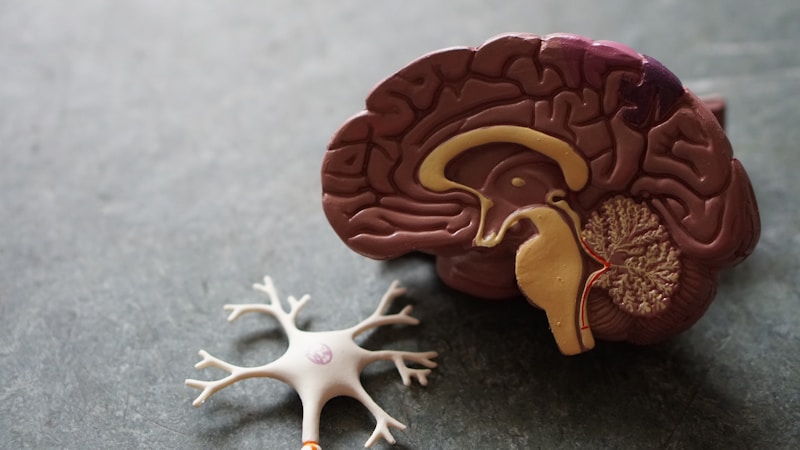
A strong grip requires intact neural pathways from the brain through the spinal cord to the muscles of the forearm and hand. Declining grip strength can indicate problems anywhere along this chain, sometimes before other symptoms appear.
3. Nutritional Status
Adequate protein intake and proper nutrition are essential for maintaining muscle strength. Declining grip strength can be an early indicator of nutritional deficiencies that might not yet be apparent through other means.
4. Inflammation Marker
Chronic inflammation, which underlies many age-related diseases, is associated with accelerated muscle loss. Strong grip strength suggests lower levels of systemic inflammation.
Clinical Threshold
Research suggests that grip strength below 26 kg for men and 18 kg for women may indicate increased health risks. However, the trend over time is often more important than any single measurement.
The Cognitive Connection
Beyond physical health, emerging research has uncovered a fascinating link between grip strength and brain function. A 2023 study in JAMA Network Open found that stronger grip was associated with better memory, faster processing speed, and reduced risk of dementia.
The mechanism appears to be bidirectional. On one hand, the motor cortex — the brain region controlling movement — is highly interconnected with areas responsible for memory and executive function. Maintaining hand strength keeps these circuits active.
On the other hand, exercise-induced improvements in cardiovascular health benefit the brain through better blood flow and reduced inflammation. The hands, with their extensive nerve connections, serve as both a workout for the brain and an indicator of its health.

What Doctors Recommend
Given the strong evidence, many physicians are now recommending grip-strengthening exercises as part of healthy aging protocols. The good news is that grip strength responds well to training at any age.
- Progressive resistance exercises: Using hand grippers, resistance balls, or specialized devices that provide increasing resistance as you improve.
- Functional activities: Gardening, cooking, and crafts that require gripping, squeezing, and manipulating objects.
- Weight-bearing exercises: Activities like carrying groceries, using resistance bands, or modified weight training that challenge grip endurance.
- Consistency over intensity: Regular, moderate exercise appears more beneficial than occasional intense sessions.
Testing Your Own Grip Strength
While clinical grip dynamometers provide the most accurate measurements, there are ways to monitor your grip strength at home:
- Note how easily you can open jars, bottles, and packages
- Pay attention to your ability to carry grocery bags or luggage
- Monitor your handwriting — does your hand tire quickly?
- Consider purchasing an inexpensive hand dynamometer for home use
If you notice significant decline in any of these activities, it may be worth discussing with your healthcare provider.

The Future of Grip Assessment
As research continues to validate the importance of grip strength, we're likely to see it become as routine as blood pressure measurements. Some researchers are even exploring smartphone-based grip assessments that could allow continuous monitoring.
"The beauty of grip strength as a biomarker is its simplicity," notes Dr. Peterson. "It doesn't require expensive equipment or laboratory analysis. It gives us actionable information that patients can actually use to improve their health."
For seniors and those approaching their golden years, the message is clear: your hands aren't just tools for daily tasks — they're vital connections to your overall health. Keeping them strong may be one of the most important investments you can make in your future.