
If you've spent any time researching how to keep your mind sharp as you age, you've likely encountered an overwhelming array of advice. Play Sudoku. Take fish oil. Learn a new language. Meditate for 20 minutes daily. The recommendations are endless — and often contradictory.
As memory concerns become increasingly common among aging populations, the market for cognitive enhancement has exploded. Americans spent an estimated $8.4 billion on brain health supplements in 2024 alone, according to market research firm Grand View Research. But how much of this spending is based on solid science?
We consulted with neurologists, cognitive psychologists, and aging researchers to separate evidence-based practices from marketing hype. Here's what the research actually shows.

The Brain Training Debate
Perhaps no area generates more controversy than computerized brain training programs. Companies like Lumosity, Elevate, and Peak have attracted millions of users with promises of improved memory and cognitive function. But do they work?
Brain Training Games: Mixed Evidence
Research shows people get better at the specific games they play, but this improvement rarely transfers to real-world cognitive tasks. The FTC fined Lumosity $2 million in 2016 for making unfounded claims.
A comprehensive 2017 review published in Psychological Science in the Public Interest examined hundreds of studies and found limited evidence that computerized brain training produces meaningful improvements in everyday cognitive function.
"You get better at playing the games," explains Dr. Rachel Wu, a cognitive scientist at UC Riverside. "But the skills don't generalize the way companies claim. Learning to identify patterns quickly in a game doesn't necessarily help you remember where you put your keys."
What Actually Works: The Evidence-Based Approaches
Physical Exercise
Physical Exercise: Strong Evidence
Numerous studies confirm that regular aerobic exercise increases hippocampal volume, improves blood flow to the brain, and reduces dementia risk by 30-40%.
If there's one intervention with overwhelming scientific support, it's physical exercise. A landmark study from the University of British Columbia found that regular aerobic exercise appears to boost the size of the hippocampus — the brain area involved in verbal memory and learning.

The benefits extend beyond aerobic activity. Research increasingly shows that resistance training and exercises requiring coordination and balance also support cognitive function. Activities that engage both physical and cognitive systems simultaneously — like dancing, martial arts, or sports — may be particularly beneficial.
Quality Sleep
Quality Sleep: Strong Evidence
Sleep is when the brain consolidates memories and clears metabolic waste. Chronic sleep deprivation is linked to increased beta-amyloid accumulation — a hallmark of Alzheimer's disease.
Sleep's role in memory consolidation has been well-established for decades, but recent research has revealed just how critical it is. During deep sleep, the brain's glymphatic system clears toxic proteins that can accumulate and contribute to dementia.
A 2021 study in Nature Communications found that people who consistently slept less than six hours per night in their 50s and 60s had a 30% higher risk of developing dementia compared to those who slept seven hours.
Social Engagement
Social Engagement: Strong Evidence
Multiple long-term studies show that maintaining social connections is associated with slower cognitive decline and reduced dementia risk.
Humans are social creatures, and our brains appear to require social stimulation to function optimally. The Rush Memory and Aging Project, which has followed older adults for over two decades, found that those with the most social connections had a 70% reduced risk of cognitive decline compared to those who were socially isolated.

"Social interaction requires complex cognitive processing — reading facial expressions, understanding context, formulating responses. It's a full brain workout that you can't replicate with a computer program."
— Dr. Bryan James, Rush Alzheimer's Disease Center
Novel Learning
Learning New Skills: Good Evidence
Challenging yourself with genuinely new skills — especially those requiring multiple cognitive domains — has been shown to improve cognitive function in older adults.
While brain training games show limited transfer, learning genuinely new skills appears to be different. A study published in Psychological Science found that older adults who spent three months learning quilting and digital photography showed improved memory compared to those who did familiar activities or simple brain games.
The key appears to be engaging with something genuinely challenging and novel, rather than practicing skills you've already mastered.
The Supplement Question
Walk into any pharmacy and you'll find shelves of supplements marketed for brain health: ginkgo biloba, omega-3 fatty acids, vitamin E, B vitamins, and countless proprietary blends. The evidence, unfortunately, is largely disappointing.
Most Supplements: Weak or No Evidence
Large clinical trials have failed to show benefits for most popular brain supplements in healthy adults. Some, like high-dose vitamin E, may even be harmful.
The AREDS2 study, one of the largest trials of cognitive supplements, found no benefit from omega-3 fatty acids or lutein/zeaxanthin for cognitive function. The VITAL trial found no memory benefits from vitamin D or fish oil supplementation.
"People want a pill that will prevent memory loss," says Dr. Murali Doraiswamy, a professor of psychiatry at Duke University. "But the evidence for supplements is very weak. You're better off investing that money in a gym membership or social activities."
One Exception: Deficiencies
While supplements don't help healthy adults, correcting genuine deficiencies — particularly B12 and vitamin D — can improve cognitive symptoms. Ask your doctor about testing if you're concerned.
The Hand-Brain Connection
One area of growing research interest is the relationship between fine motor activities and cognitive function. Activities that require complex hand movements — playing instruments, crafting, knitting, or resistance-based hand exercises — show promising results in preliminary studies.
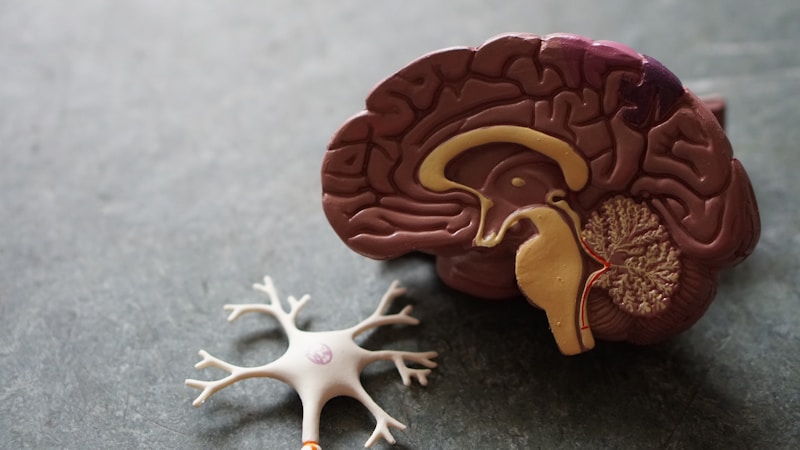
The hand occupies a disproportionately large area of the motor cortex, and research suggests that keeping this system active may have broader cognitive benefits. Japanese studies of centenarians found that those who maintained hobbies requiring hand dexterity showed better cognitive preservation than those who didn't.
Putting It All Together
The evidence points to a consistent pattern: the interventions that work best for memory aren't shortcuts or supplements — they're lifestyle factors that support overall health.
- Move your body — especially activities combining physical and cognitive demands
- Prioritize sleep — aim for 7-8 hours of quality sleep nightly
- Stay socially connected — maintain relationships and seek new social interactions
- Challenge yourself — learn genuinely new skills that require effort
- Manage cardiovascular risk factors — what's good for the heart is good for the brain
- Keep your hands active — engage in activities requiring fine motor skills
The brain is remarkably plastic throughout life, capable of forming new connections and adapting to challenges. But protecting it requires more than downloading an app or taking a pill. The most effective strategies are also the most fundamental: stay active, stay connected, stay challenged, and take care of your overall health.


